

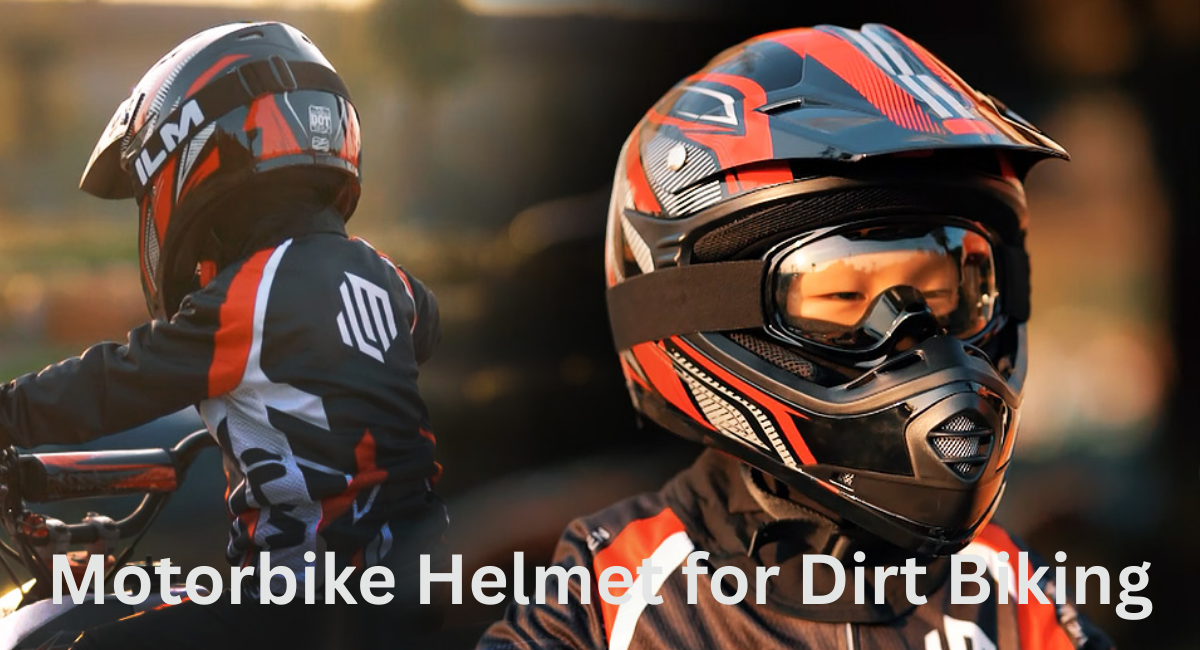
When it comes to dirt biking, your motorbike helmet isn’t just gear—it’s your most critical line of defense. Whether you’re tearing through motocross tracks, riding enduro trails, or exploring rugged off-road terrain, the right dirt bike helmet can mean the difference between a close call and a life-changing injury.
As of 2025, helmet technology has advanced dramatically—featuring lighter materials, improved ventilation, MIPS protection, and better airflow—all designed to keep you safe, cool, and focused on the ride.
In this comprehensive guide, we’ll cover everything you need to know about choosing the best motorbike helmet for dirt biking, including:
- Key features of off-road helmets
- How they differ from street helmets
- Top brands and models in 2025
- How to get the perfect fit
- Safety certifications
- Maintenance tips
- Buyer recommendations by riding style
Let’s dive in.
Why You Need a Dedicated Dirt Bike Helmet
While some riders try to use street motorcycle helmets for off-road use, they’re not designed for the demands of dirt biking. A dedicated dirt bike helmet is engineered for:
- Extended sun protection (longer visor & peak)
- Superior ventilation (to prevent fogging and overheating)
- Lightweight construction (reduces neck fatigue)
- Durable, rugged outer shell (resists impacts from branches, rocks, and crashes)
- Comfort in dusty, muddy, or wet conditions
💬 Pro Insight:
“On a long trail ride, a proper dirt helmet keeps you cooler, less fatigued, and more aware—critical when navigating technical terrain.” – Professional enduro rider, Dirt Rider Magazine
Key Features of a Great Motorbike Helmet for Dirt Biking(2025)
1. Extended Peak (Visor)
- Shields eyes from sun, rain, and roost (kicked-up dirt)
- Prevents low branches from hitting your face
- Adjustable on many premium models
2. Ventilation System
- Multiple intake and exhaust vents
- Designed for high airflow, even at low speeds
- Some models feature adjustable vents (e.g., Bell Moto-9 Flex)
3. Lightweight Shell
- Made from composite fiberglass, carbon fiber, or advanced polycarbonate
- Average weight: 1,300–1,600 grams (vs. 1,800+ for full-face street helmets)
4. Removable & Washable Liner
- Moisture-wicking, anti-odor padding
- Machine-washable for hygiene after muddy rides
5. MIPS or Spherical Technology
- MIPS (Multi-directional Impact Protection System) reduces rotational forces during angled impacts
- Found in top 2025 models from Bell, Shoei, and Fox
6. Goggle Compatibility
- Smooth rear profile to fit snugly with goggles
- No gaps that let in dust or debris
Dirt Bike Helmet vs. Street Motorcycle Helmet: Key Differences
✅ Bottom Line: Never use a street helmet for serious dirt biking. It lacks ventilation, sun protection, and goggle integration.
Top 5 Dirt Bike Helmets of 2025
Here are the best-rated off-road helmets this year—based on safety, comfort, and real-world performance.
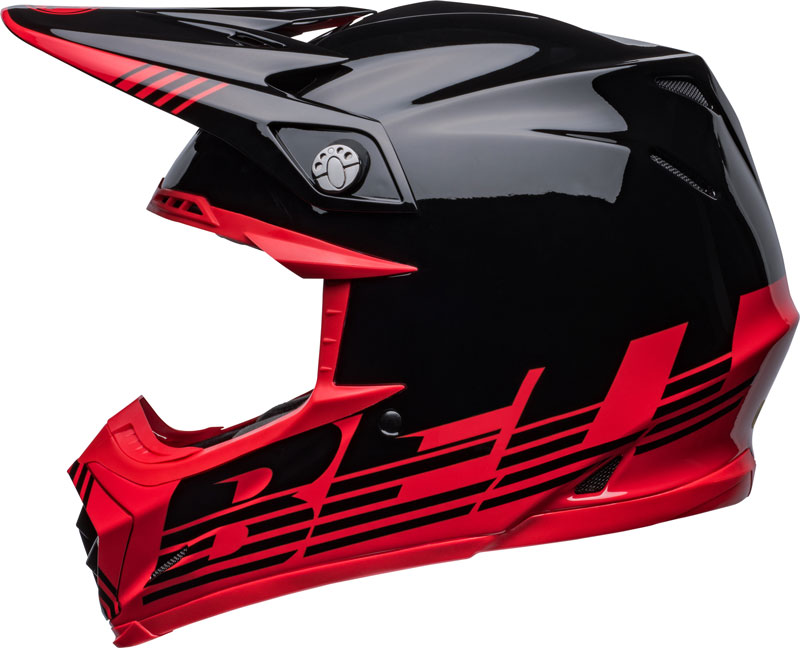
1. Bell Moto-9 Flex MIPS
- Price: $450
- Weight: 1,400 g
- Tech: MIPS, Flex Liner (reduces impact forces)
- Best For: Motocross racers
- Why It Stands Out: Excellent safety rating, superb ventilation, and goggle seal

2. Shoei VFX-W RC Max
- Price: $650
- Weight: 1,480 g
- Tech: AIM+ shell, 3D Max-Dry liner
- Best For: Competitive riders
- Why It Stands Out: Premium build, aerodynamic design, long-term durability

3. Fox Racing V1 Pro Carbon
- Price: $420
- Weight: 1,320 g (ultra-light)
- Tech: Carbon fiber shell, MIPS
- Best For: Enduro and trail riders
- Why It Stands Out: Lightweight, aggressive styling, excellent airflow

4. Alpinestars SMX-1R V2
- Price: $380
- Weight: 1,450 g
- Tech: Dynamic Response Liner, Nylex fabric
- Best For: Budget-conscious riders
- Why It Stands Out: Great value, solid protection, comfortable fit

5. O’Neal DRT-2 MIPS
- Price: $280
- Weight: 1,380 g
- Tech: MIPS, removable chin curtain
- Best For: Beginners and weekend riders
- Why It Stands Out: Affordable, reliable safety, good ventilation
How to Choose the Right Size & Fit
A poorly fitting helmet is dangerous. Follow these steps:
1. Measure Your Head
- Use a soft tape measure around the widest part of your head, just above the eyebrows.
- Example: 58 cm = Large (L)
2. Check the Brand’s Sizing Chart
- Sizes vary by brand (e.g., Shoei runs small, Bell runs true)
- Always consult the manufacturer’s guide
3. Try It On
- Should feel snug but not painful
- No pressure points
- Cheek pads press firmly (they’ll loosen slightly over time)
- Shake your head—helmet shouldn’t move
🚫 Warning: Never buy a helmet online without knowing your size or brand fit.
Safety Certifications to Look For (2025)
Ensure your helmet meets recognized safety standards:
✅ Pro Tip: Look for ECE + SNELL combo certification for maximum protection.
Maintenance Tips for Longevity
Keep your helmet safe and hygienic with these practices:
- Wash the liner monthly (hand or machine wash, air dry)
- Clean the shell with mild soap and water
- Replace after any crash—even if damage isn’t visible
- Store in a cool, dry place away from sunlight
- Never paint or modify the helmet—can weaken the shell
⚠️ Lifespan: Replace every 3–5 years, even without crashes (foam degrades over time).
Buyer’s Guide: Best Helmet by Riding Style
Final Thoughts: Your Helmet Is Your Lifeline
In the world of dirt biking, where speed, terrain, and weather are unpredictable, your motorbike helmet is the one piece of gear you can’t afford to compromise on. The 2025 market offers unprecedented safety, comfort, and performance—with innovations like MIPS, carbon fiber shells, and race-proven designs now accessible to everyday riders.
Invest in a high-quality, properly fitted dirt bike helmet, and you’re not just protecting your head—you’re enhancing your ride.
Ready to Upgrade Your Gear?
👉 Next Steps:
- Measure your head and check sizing charts
- Choose a helmet that matches your riding style
- Pair it with quality goggles (e.g., Oakley, 100%)
- Replace every 3–5 years or after impact
Stay safe. Ride smart. And always wear your helmet.